Puna Weather
Monday 26th October 2026
Today increasing humidty but only widely scattered showers with VOG possible.

Tuesday humid with light winds and frequent showers, possibly heavy at times. VOG is also possible.

Wednesday through Friday very humid with light to moderate winds from variable directions. Expect rain and isolated thunder. Rain is likely to be heavy at times with some flooding possible. VOG is also possible.

Saturday and Sunday a trend towards less humidity with light and variable winds and scattered showers, possibly heavy at times. VOG is possible.

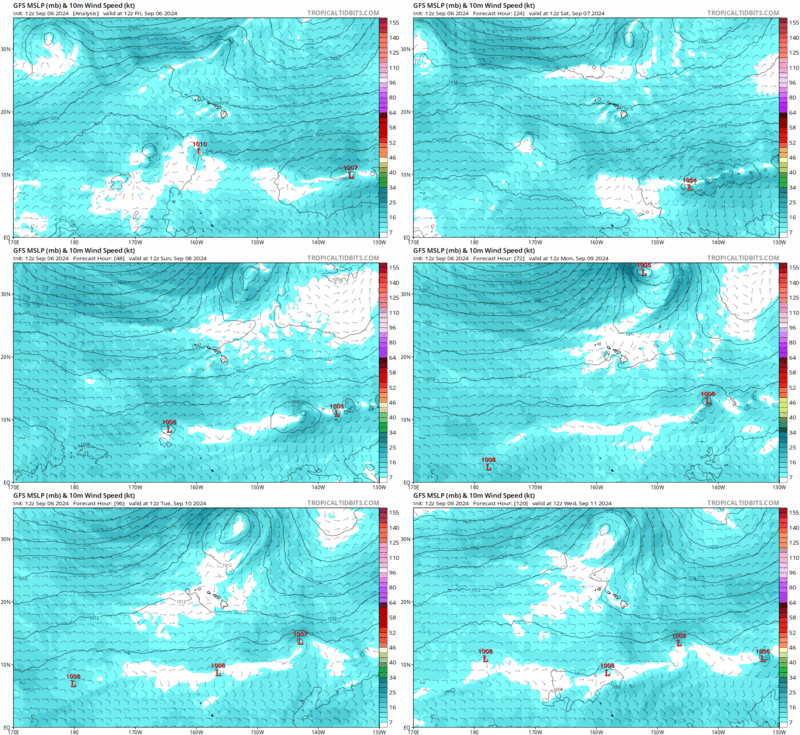
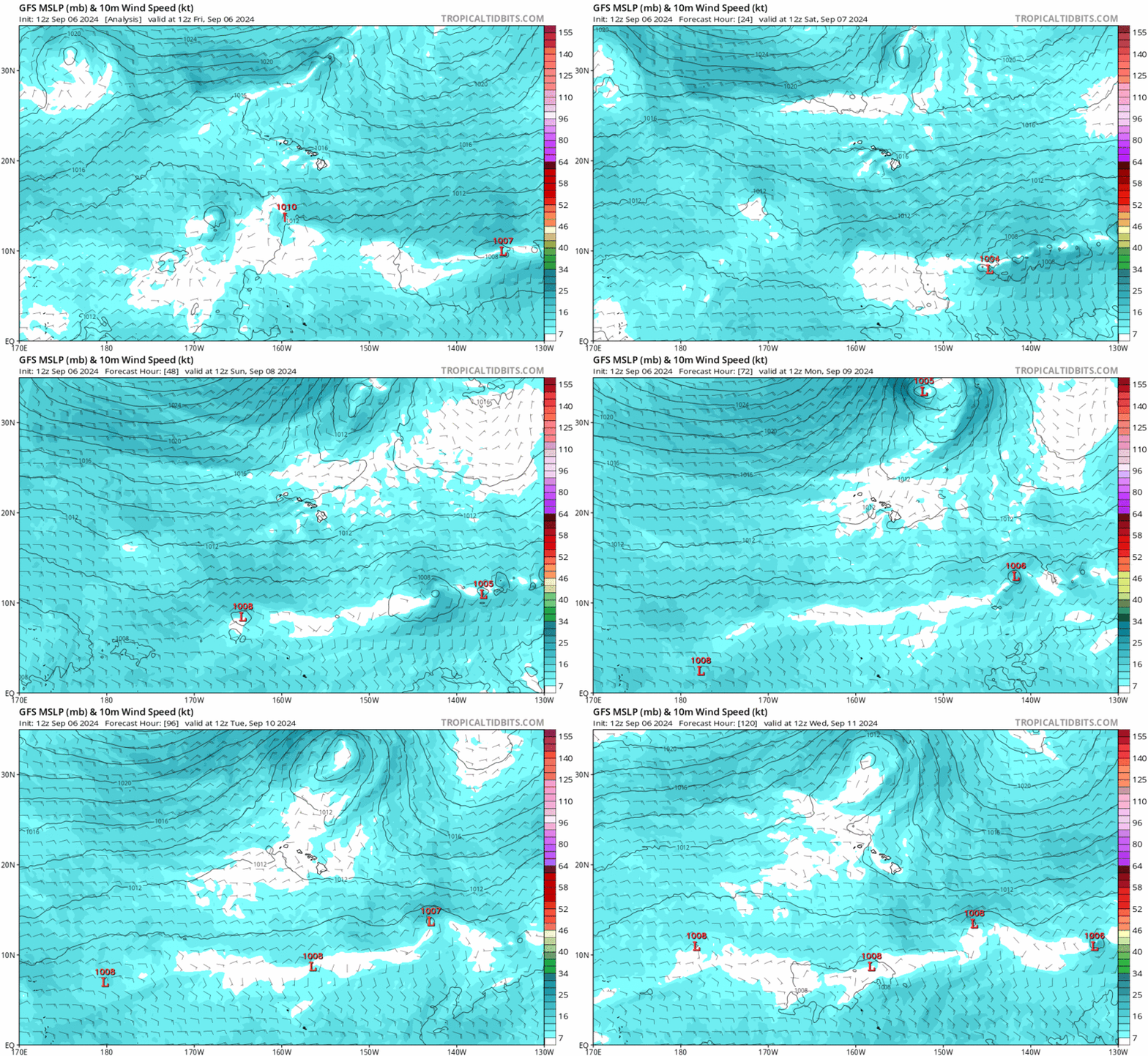
A stalled low to our northeast interrupts our trade winds for the next week or so.

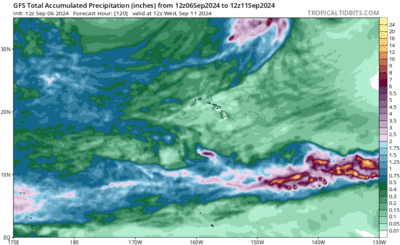
To our northwest a mid/upper level trough dives south between our island chain and the dateline early this week. This trough places us in very moisture southwest flow at these higher levels. The flow direction places windward locations on the lee side of our mountains, but transient surface features could allow for winds to be from variable directions, allowing for better rain chances. The moist flow is forecast to continue through most of the week with precitable water values around 2" with surface dew points in the lower to mid 70s, so plenty of moisture to work with. Instability is marginal with limited low level convergence and upper level cool air... all in all it looks like only isolated flooding concerns.

The trough to our west weakens as another big storm moves into the northeast Pacific next week. This pattern looks more like a winter pattern with strong cool north winds and windward showers. Next week's storm might even push our first winter swell towards our shores.